The Indian Desert is the world’s 17th largest desert, covering about one-third of India’s land mass. The desert is home to many types of wildlife, including camels, wolves, jackals, and foxes. But it is also home to one of the unique plants on Earth: the baobab tree.

India’s 3 Magnificent Deserts
- The Sandy Thar desert 🏜️.
- The Great Rann of Kutch.
- The Trans-Himalayan cold desert.
.
The Sandy Desert of Thar
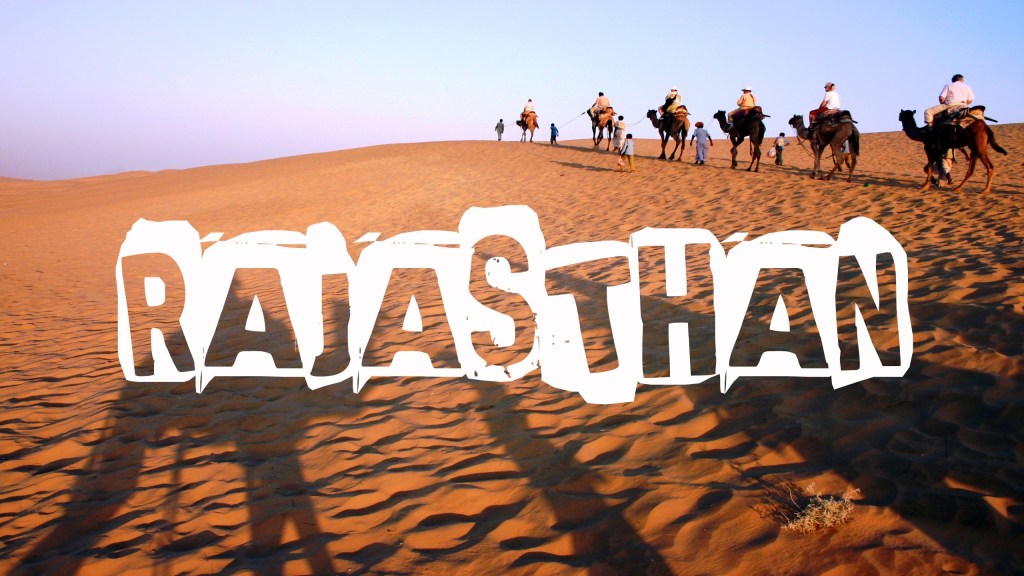
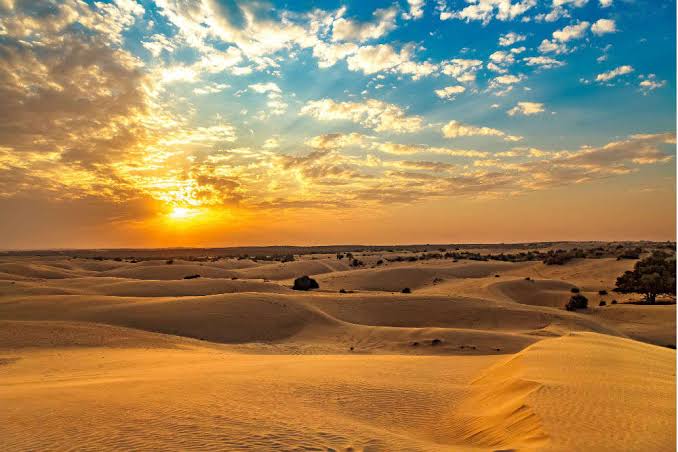
The Thar Desert, also known as the Great Indian Desert, is India’s largest and most famous desert. Some 60% of it lies within the state of Rajasthan in northern India. You are perhaps already familiar with the golden Rajasthani desert, where the magnitude of the vast, sandy expanses never fails to humble the soul, where everything from sunrise to sunset is a spectacle of colors, and where dark nights are lit by bonfires and stories of nomadic desert lives. Beyond the last major city of Jaisalmer, the desert stretches to the horizon and is littered with small settlements, sometimes with just half a dozen huts to a village, where life is akin to the desert itself: sweltering hot in the day, freezing in the night, evidently difficult, and yet by some measure, heart-warmingly beautiful.❣️
Geographical Location of Thar:-
The Thar Desert is located to the north-west of the Aravalli, in western Rajasthan with certain parts in Punjab and Sindh. The Thar Desert covers some 77,000 square miles (200,000 square km) of territory. It is bordered by the irrigated Indus River plain to the west, the Punjab Plain to the north and northeast, the Aravalli Range to the southeast, and the Rann of Kachchh to the south.
Climate of Thar Desert:-
The Thar Desert experiences a subtropical desert climate and high pressure. However, the monsoon winds in the southwest bring rainfall in the summer seasons.
But still, this arid region receives a low annual rainfall (4-20 inches) as compared to the other parts of India. Also, the July to September feature is the likely monsoon months for the Indian desert.
The coldest month of the year is January while May and June are the hottest.
In short, the average temperature in the desert ranges between 75-70 degrees Celsius in summers and 39-50 degrees Celsius in winters.
Biodiversity of Thar desert:-
The Thar Desert, seventh largest desert in the world, Harbor several species that have adapted themselves to survive in the harsh desert conditions.
The floral diversity includes 682 species (63 introduced species), belonging to 352 genera and 87 families. The degree of endemism of plant species in the Thar Desert is 6.4 percent, which is relatively higher than the degree of endemism in the world famous Sahara desert.
The faunal diversity represents 755 invertebrate and 440 vertebrate species, including 140 bird and 41 mammalian species and the only known population of the Asiatic wild ass. It is highlighted that sustainable use and management of this biodiversity is necessary to support human and livestock needs besides conservation. The strategy should be such that it is supported by public.
Practical Information:-
The best time to visit the Rajasthani desert is in the winter months from October to March, when the temperatures don’t soar as high during the day as they do in the summer. Jaisalmer, the nearest major city, is well connected to the rest of Rajasthan by buses and trains. Jeeps and camels are the best way to explore the desert beyond. Local village homestay offer an intimate way to experience this desert.
.
The Great Rann of Kutch.
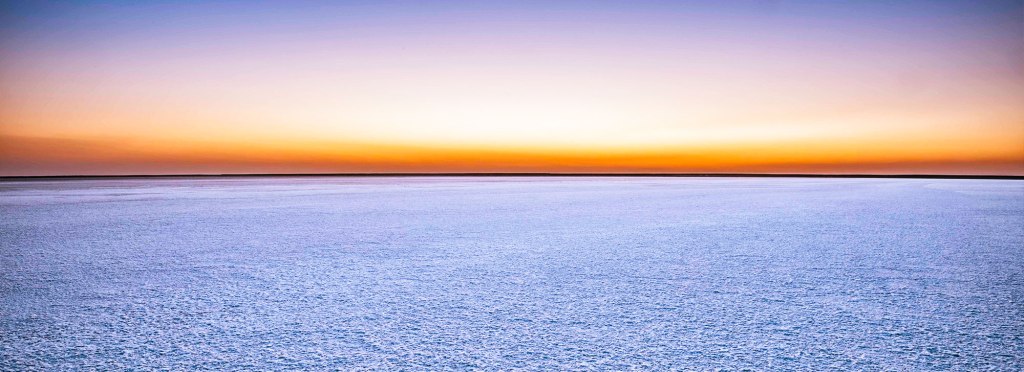
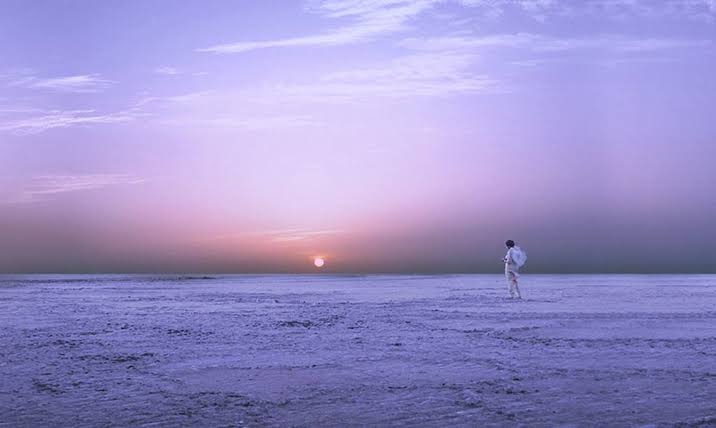
Whoever says brown is the dominant color of a desert hasn’t been to the large expanse of bright white salt that is the Great Rann of Kutch, in the state of Gujarat along the west coast of India. On any winter night, this white desert lights up with the reflection of the moon and the millions of stars that twinkle in its sky. There’s nothing but white as far as you can see, nothing but you and the vastness of the desert.Beautiful little hamlets along the desert add color to the white Rann, with their vibrant festivities, upbeat music and dance forms, and intricate art and crafts. The warm hospitality and the rich culture of this spectacularly bewildering terrain, mixed with the local folklore, will lure you into the heart of the desert. It is believed that Chir Batti, aka ghost lights, can be spotted on exceptionally dark nights in the desert.💫
Geographical Location of Kutch:-
The Rann of Kutch covers around 26,000 square kilometres (10,000 square miles). It extends east and west, with the Thar Desert to the north and the low hills of Kutch to the south. The Indus River Delta lies to the west in southern Pakistan. The little Rann of Kutch lies southeast of the Great Rann, and extends southwards to the Gulf of Kutch.
Climate of Kutch:-
The climate of the ecoregion is subtropical. Temperatures average 44 °C during the hot summer months, and can reach highs of 50 °C. During the winter the temperature can drop to or below freezing.
Rainfall is highly seasonal. The Rann of Kutch is dry for most of the year, and rainfall is concentrated in the June to September monsoon season. During the monsoon season, local rainfall and river runoff flood much of the Rann to a depth of 0.5 metres. The waters evaporate during the long dry season, leaving the Rann dry again by the start of the next monsoon season.
Biodiversity of kutch:-
The Rann of Kutch is the only large flooded Grassland zone in the Indomalayan realm The area has desert on one side and the sea on the other enables various ecosystems, including mangroves and desert vegetation. Its grassland and deserts are home to forms of wildlife that have adapted to its often harsh conditions. These include endemic and endangered animal and plant species.
Practical Information:-
The best time to visit the Rann of Kutch is in the winter months from October to March, when the water dries up to reveal the magical white of the desert. The closest railhead and airport is at Bhuj, and the best accommodation options are at Dhordo and Hodka, from where the Rann is easily accessible.
.
The Trans-Himalayan cold desert.
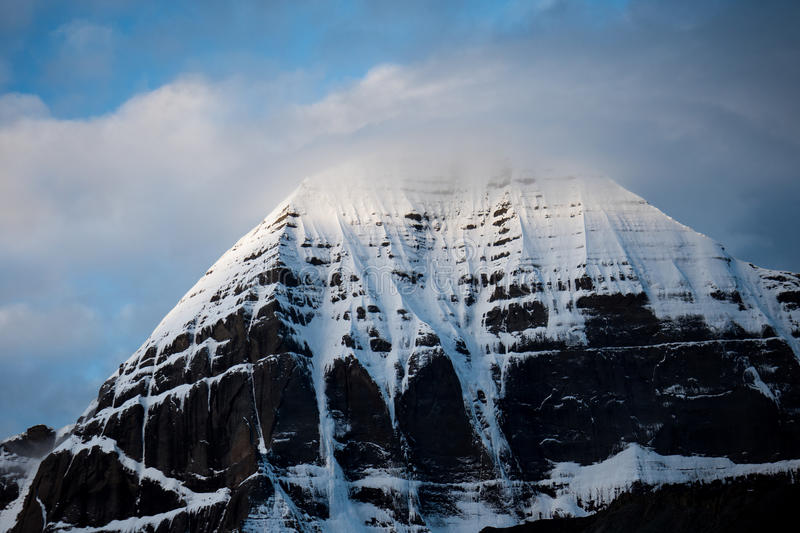
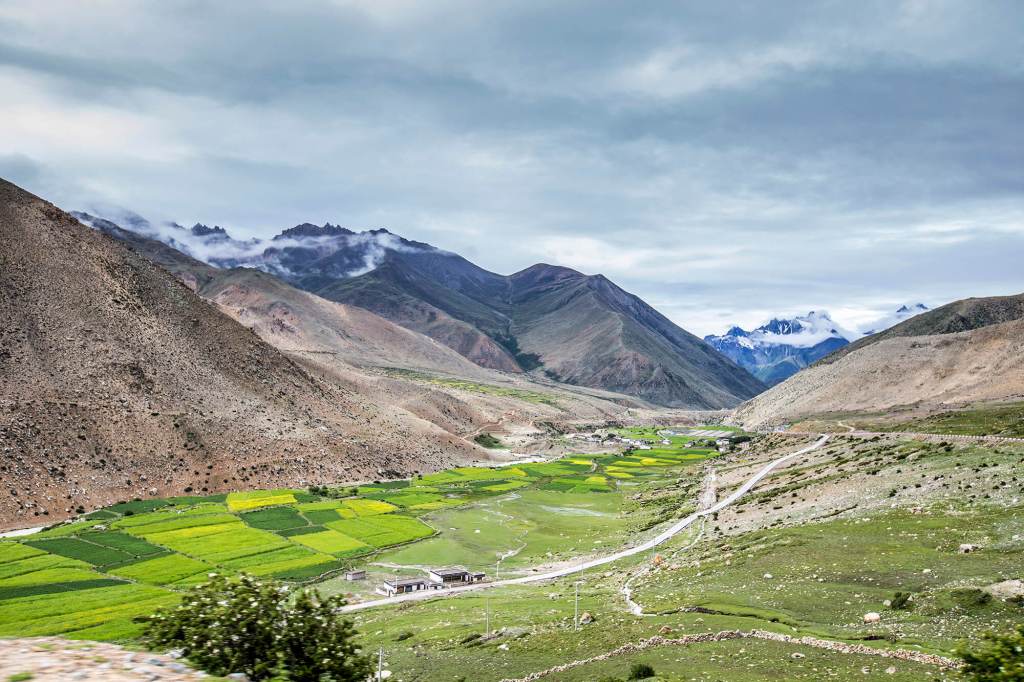
This dramatic landscape includes the regions of Ladakh and Spiti. As you climb atop the mountains on the roof of the world, walk along gushing rivers, see curious summits staring at starry skies, float along blue streams in deep gorges, traverse the highest inhabited villages in the Himalayas, and follow centuries old Buddhist trails, the Himalayas reveal to you a magnificent desert that is hard not to fall in love with.No amount of research or pictures on Google could have prepared me for the mountain desert of Spiti in Himachal Pradesh. On the leeward side of the mighty Himalayas, Spiti is home to some of the starkest, most stunning landscapes made by the bare brown mountains, which receive abundant sunlight and snow, but no rain. Almost no vegetation can survive on such rough terrain, making the slightest hint of greenery or color a treat for the eyes.
Geographical Location of cold desert:-
The Trans-Himalayas Mountain Region or Tibet Himalayan Region is located to the north of the Great Himalayas which is consists of Karakoram, Ladakh, Laskar and Kailash mountain ranges. It is also called the Tibet Himalayan Region because most of the part of these ranges lies in the Tibet.
Climate of Trans-Himalayan:-
The Transhimalays generally have a cold, arid montane climate. For example, the Spiti region of Himachal Pradesh, India has an annual rainfall of about 170 mm. However, studies in Mustang District Nepal, indicate that climate change is warming the Transhimalayas at a rate of about 0.13 degrees a year.
Biodiversity of Trans-Himalayan:-
The Transhimalayas generally have low species diversity (and vegetation cover) and are classified as dry alpine steppes. However, a study in the Spiti region found 23 medicinal plants. Previous surveys in this region had found a total of over 800 species of vascular plants.
Practical Information:-
The best time to visit Spiti is during the summer months from May to September. The shorter route via Manali takes 8-12 hours, while the longer route via Shimla warrants an overnight stop at Kalpa / Reckong Peo. Both Manali and Shimla are well-connected to the rest of India via buses and trains. Local homestays are the best lodging options.
Credits:
Image source : Google Chrome
Jitendra Dave
Student, KES SHROFF COLLEGE
 Tree-hugger